

Programme Sectors

Programme sectors
Ten reconstruction programme sectors are published as part of the institutional delivery architecture.
 1
1
Priority sector 01
Housing & Urban Recovery
Restoring safe, durable housing and urban services through standards-based delivery frameworks.
Priority sector
Open housing sector → 2
2
Priority sector 02
Energy & Utilities
Rebuilding power, utilities and resilience systems under transparent technical frameworks.
Priority sector
Open energy sector → 3
3
Priority sector 03
Transport & Connectivity
Supporting movement of people, goods and essential services across recovery corridors.
Priority sector
Open transport sector →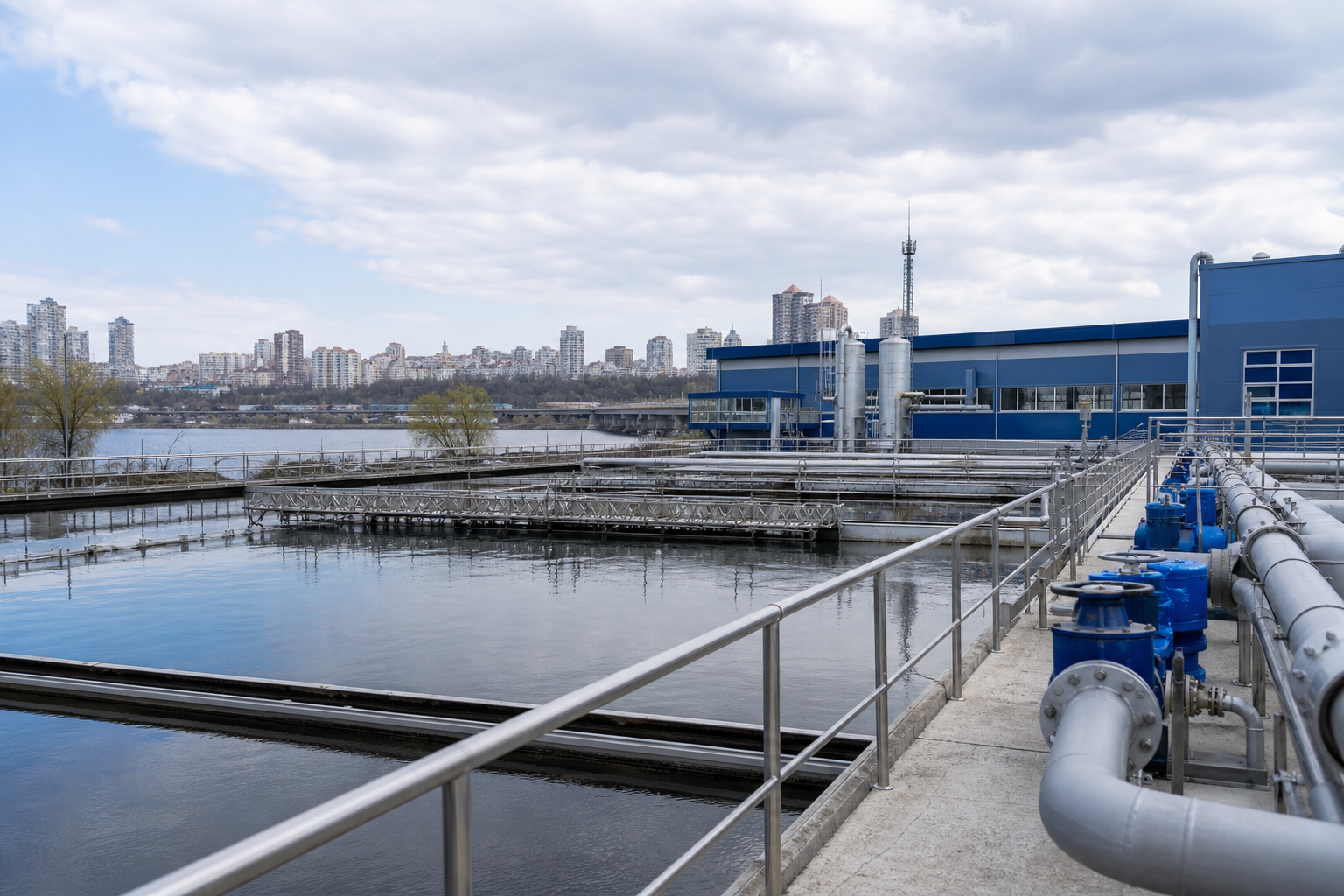 4
4
Programme sector 04
Water & Sanitation
Water supply, wastewater, drainage and utility resilience for communities and recovery corridors.
Programme sector
Open water sector → 5
5
Programme sector 05
Education & Social Infrastructure
Schools, learning environments and social community facilities for stable local services.
Programme sector
Open education sector → 6
6
Programme sector 06
Healthcare & Emergency Services
Healthcare and emergency-response infrastructure supporting continuity of critical care.
Programme sector
Open healthcare sector → 7
7
Programme sector 07
Digital Infrastructure & Governance
Secure connectivity, public digital systems and governance-ready institutional data layers.
Programme sector
Open digital sector →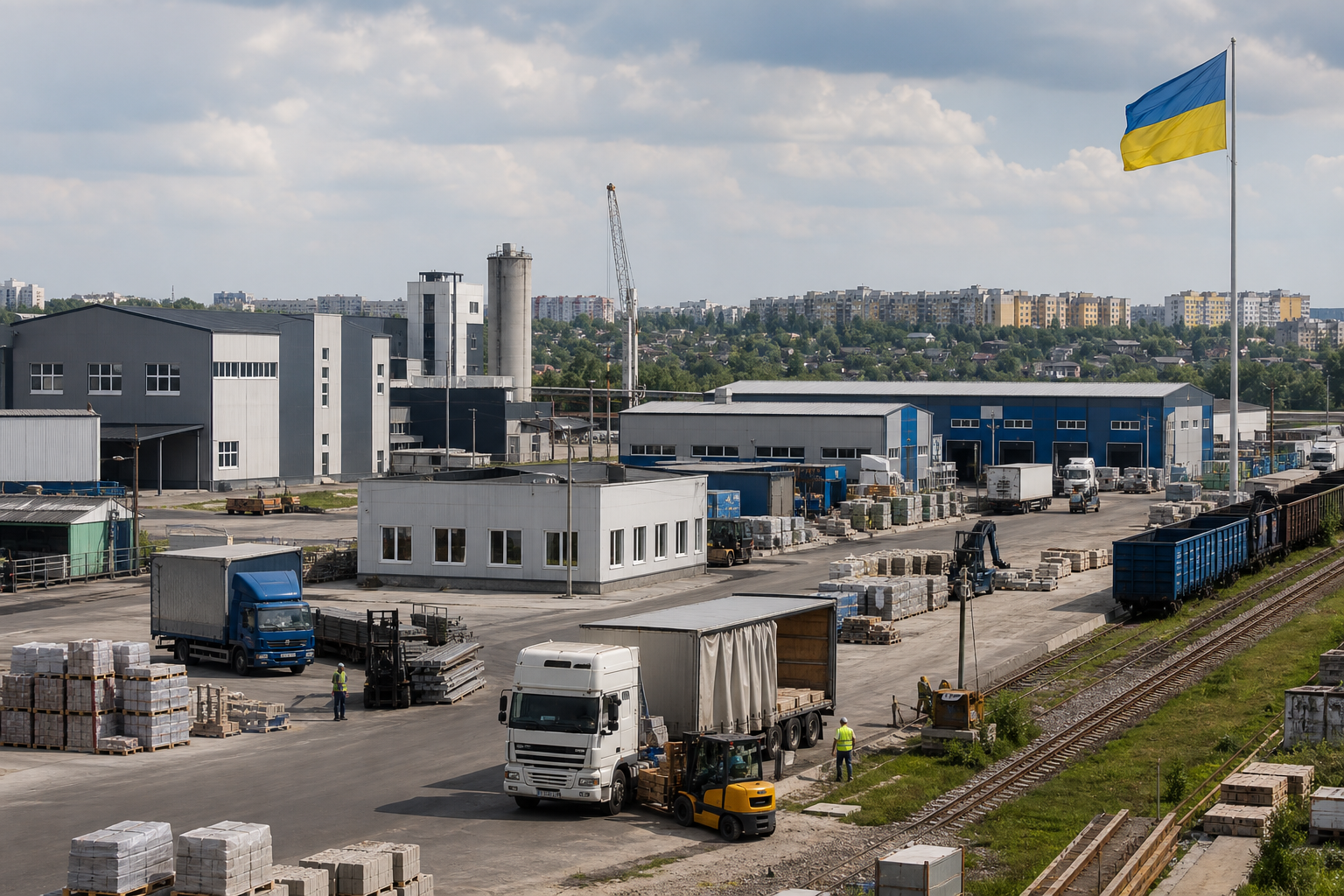 8
8
Programme sector 08
Economic Development
Industrial recovery, jobs, logistics and productive local economic capacity.
Programme sector
Open economic sector → 9
9
Programme sector 09
Community Development
Municipal services, civic assets and locally validated development priorities.
Programme sector
Open community sector → 10
10
Programme sector 10
Environmental Recovery
Remediation, safeguards and resilience-oriented environmental compliance measures.
Programme sector
Open environmental sector →Measures to effect
How programme measures become public outcomes
Each programme sector is organised around a clear public-interest measure, institutional controls and an intended recovery outcome.
| Measure | Control mechanism | Expected effect |
|---|---|---|
| Housing and urban recovery frameworks | Eligibility checks, standards baseline, procurement controls and regional validation before publication. | Safer housing recovery pathways with clearer accountability for scope, standards and public benefit. |
| Energy and utilities resilience planning | Technical assessment, critical-infrastructure prioritisation and audit-ready delivery milestones. | More resilient public services and a clearer evidence trail for partner due diligence. |
| Transport and connectivity restoration | Corridor prioritisation, safe-access checks, standards conformity and transparent reporting gates. | Improved reconstruction logistics and regional connectivity once verified programmes proceed. |
| Water and sanitation resilience | Utility-operator coordination, service-critical asset screening and safeguards before works are sequenced. | More reliable water, wastewater and drainage services for affected communities. |
| Education and social infrastructure recovery | Facility readiness checks, municipal validation and standards-based procurement controls. | Safer learning environments and stronger local service continuity. |
| Healthcare and emergency-service continuity | Criticality assessment, public-health safeguards and phased delivery governance. | Improved access to healthcare and emergency response capacity in priority territories. |
| Digital infrastructure and governance systems | Security, interoperability and data-governance review before cross-institutional deployment. | More resilient public digital services and stronger evidence quality across reconstruction workflows. |
| Economic development and productive capacity | Regional prioritisation, anti-capture controls and milestone-based reporting for economic recovery packages. | Restored local economic activity, jobs pathways and enterprise recovery conditions. |
| Community development and municipal services | Local-priority validation, municipal coordination and public accountability checkpoints. | Stronger community services, civic infrastructure and locally trusted recovery planning. |
| Environmental recovery and safeguards | Environmental risk screening, remediation standards and safeguard compliance monitoring. | Reduced environmental risk and more resilient reconstruction outcomes. |
Illustrative framework only: effects are intended governance outcomes, not verified delivery results or financial commitments.